
Shikinjou

De Vários estúdios

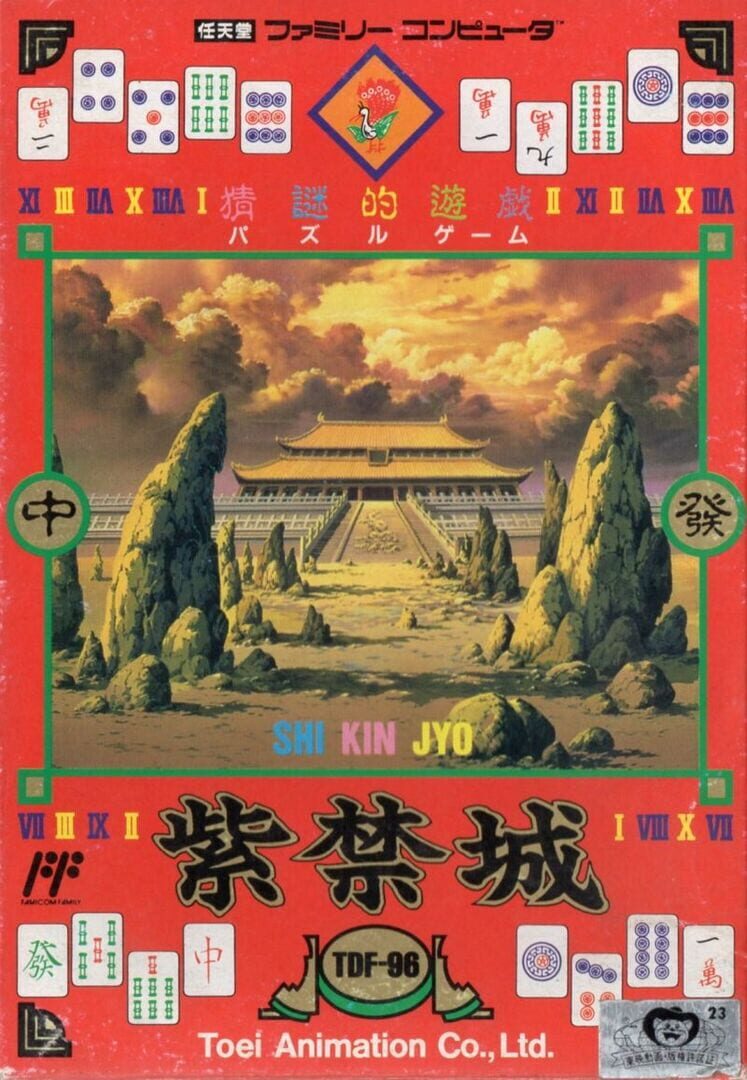
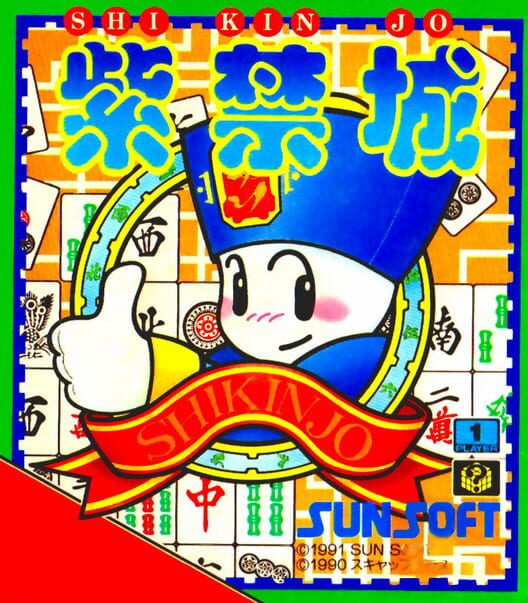
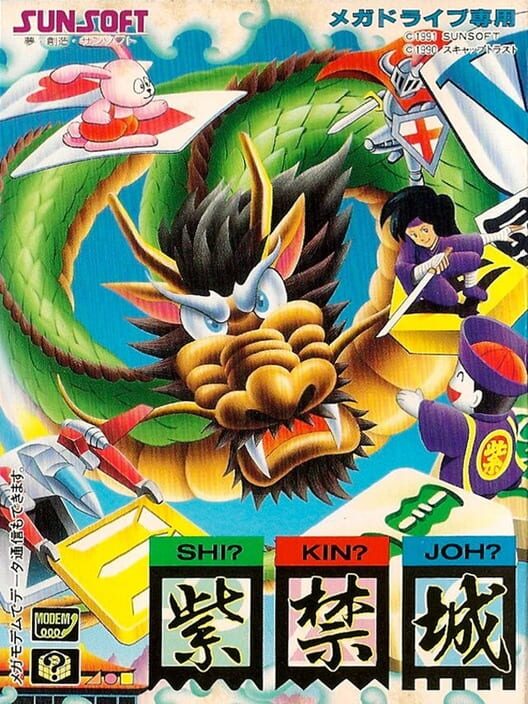
Shikinjou, or Shikinjoh, is a puzzle game inspired by Mahjong Solitaire and Sokoban. Like most Mahjong Solitaire variants, it takes its name from a region in China: in this case, the former Imperial Palace of China, also known as The Forbidden City. The goal of the game is to get the protagonist, who is a jiang shi by default, to the exit. To do this they must push mahjong tiles out of the way. Most mahjong tiles will disappear once they touch one or more of the same type, and these tiles will also vanish along with it. Some, like the dragon or wind tiles, are barricades that will transform any tile that comes into contact into another barricade. The player can also switch graphical modes, which changes all the tiles, the protagonist, and even the background and UI. These graphical modes include alternative themes like space, medieval knights, and Japanese ninja (with shogi tiles replacing the mahjong tiles).

Shikinjou

Shikinjou

De Vários estúdios
Shikinjou, or Shikinjoh, is a puzzle game inspired by Mahjong Solitaire and Sokoban. Like most Mahjong Solitaire variants, it takes its name from a region in China: in this case, the former Imperial Palace of China, also known as The Forbidden City. The goal of the game is to get the protagonist, who is a jiang shi by default, to the exit. To do this they must push mahjong tiles out of the way. Most mahjong tiles will disappear once they touch one or more of the same type, and these tiles will also vanish along with it. Some, like the dragon or wind tiles, are barricades that will transform any tile that comes into contact into another barricade. The player can also switch graphical modes, which changes all the tiles, the protagonist, and even the background and UI. These graphical modes include alternative themes like space, medieval knights, and Japanese ninja (with shogi tiles replacing the mahjong tiles).
Shikinjou

Shikinjou

De Vários estúdios
Shikinjou, or Shikinjoh, is a puzzle game inspired by Mahjong Solitaire and Sokoban. Like most Mahjong Solitaire variants, it takes its name from a region in China: in this case, the former Imperial Palace of China, also known as The Forbidden City. The goal of the game is to get the protagonist, who is a jiang shi by default, to the exit. To do this they must push mahjong tiles out of the way. Most mahjong tiles will disappear once they touch one or more of the same type, and these tiles will also vanish along with it. Some, like the dragon or wind tiles, are barricades that will transform any tile that comes into contact into another barricade. The player can also switch graphical modes, which changes all the tiles, the protagonist, and even the background and UI. These graphical modes include alternative themes like space, medieval knights, and Japanese ninja (with shogi tiles replacing the mahjong tiles).

Sobre o jogo

Shikinjou, or Shikinjoh, is a puzzle game inspired by Mahjong Solitaire and Sokoban. Like most Mahjong Solitaire variants, it takes its name from a region in China: in this case, the former Imperial Palace of China, also known as The Forbidden City. The goal of the game is to get the protagonist, who is a jiang shi by default, to the exit. To do this they must push mahjong tiles out of the way. Most mahjong tiles will disappear once they touch one or more of the same type, and these tiles will also vanish along with it. Some, like the dragon or wind tiles, are barricades that will transform any tile that comes into contact into another barricade. The player can also switch graphical modes, which changes all the tiles, the protagonist, and even the background and UI. These graphical modes include alternative themes like space, medieval knights, and Japanese ninja (with shogi tiles replacing the mahjong tiles).

Capa de Shikinjou Jogo principal Shikinjou
Lançamento
1991
Plataformas
Gêneros
Nenhuma informação

Sobre o jogo

Shikinjou, or Shikinjoh, is a puzzle game inspired by Mahjong Solitaire and Sokoban. Like most Mahjong Solitaire variants, it takes its name from a region in China: in this case, the former Imperial Palace of China, also known as The Forbidden City. The goal of the game is to get the protagonist, who is a jiang shi by default, to the exit. To do this they must push mahjong tiles out of the way. Most mahjong tiles will disappear once they touch one or more of the same type, and these tiles will also vanish along with it. Some, like the dragon or wind tiles, are barricades that will transform any tile that comes into contact into another barricade. The player can also switch graphical modes, which changes all the tiles, the protagonist, and even the background and UI. These graphical modes include alternative themes like space, medieval knights, and Japanese ninja (with shogi tiles replacing the mahjong tiles).

Média de Avaliação
N/A
1★
5★
Jogaram
0
Jogando
0
Pausados
0
Quero jogar
0
Dropados
0
0
Listas
0
Avaliações
0
Likes
Duração média para concluir apenas a história principal.
12h
Principal
Duração média para terminar a campanha e missões extras.
13h
Extras
Duração média para atingir 100% (conquistas e segredos).
43h
100%

Jogos relacionados
Avaliações
Opiniões recentes da comunidade sobre este jogo.
Ainda não há avaliações para este jogo. Seja o primeiro a avaliar!